By
Discover the best Greece tours with expert guides, real local experiences, and flexible plans. Visit Athens, the islands, and historic sites on the mainland.
Greece can suit almost every kind of traveler in one trip. We can walk beneath the Acropolis in the morning and swim near a Cycladic island later. Then we share grilled octopus and local wine in a village taverna. This variety makes choosing the best Greece tours harder than it first seems.
For 2026, strong tours cover the main sights: Athens, famous islands, and major archaeological sites. They also offer smaller groups, skilled local guides, and enough free time to feel like we’re in Greece, not rushing through a checklist. We used local knowledge, repeat trips across islands and mainland, and traveler ratings to find worthwhile tour styles and places.
For more ideas, explore Greece tours and Tours In Greece. These options can help us compare what the best Greece tours offer.
Below, we’ll look at tours for history fans, island hoppers, food lovers, and travelers seeking a deeper local experience.
How To Choose The Best Greece Tour For Your Travel Style
The best tour isn’t the one with the longest plan. It’s the one that fits how we like to travel.
If ancient history matters most, choose a guided trip built around Athens, Delphi, Olympia, Mystras, or Knossos. Avoid tours that allow only a rushed photo stop at these places. First-time visitors may prefer guided trips that handle ferries, transfers, and hotels. TourRadar, Globus, Trafalgar, and Collette offer planned trips with several stops, which can make travel easier.
If we want more freedom, small-group trips are often a better fit. They usually move faster and allow more time with local people. They may include village tavernas, neighborhood walks, and relaxed talks with guides. For many travelers, the best Greece tours also leave room for these moments.
Tailored companies such as My Greece Tours can be a good choice. They suit travelers who want local knowledge and a pace made for them.
A simple way to choose:
- History lovers: Visit Athens, Delphi, Olympia, and Crete.
- Island first-timers: Pair Athens with Mykonos and Santorini.
- Food and culture travelers: Explore Crete, Naxos, and the Peloponnese.
- Luxury travelers: Choose private island hopping or a custom tour.
- Active travelers: Hike in Crete, Meteora, Pelion, or Evia.
One more thing: check what’s included. A cheaper trip can cost much more if ferries, entry fees, or key meals aren’t covered.
See more tours:
- Aegina
- Agkistri Boat Tours: Agistri Island Cruises & Activities – Amazing Tours on Agistri Island
- Alonissos
- Amorgos Travel Guide: Explore Amorgos Island, Amorgos Greece
- Ancient Corinth
- Andros
- Astypalaia-Your Ultimate Guide to Astypalaia Island, Greece: A Greek Paradise
- Athens Travel Guide: Best Things to Do in Athens, Greece – Your Ultimate Athens Guide
- Chios
- Corfu Tours: Private Tours in Corfu, Walking Tours, Corfu Tour Guide & Guides
- Crete Travel Guide: Experience Crete, Greece – The Island Local Guide From a Local
- Delos


Best Guided Tours In Athens For Ancient History And City Culture
Athens deserves more than one night. It’s still a key stop on the best Greece tours, with ancient sites beside busy modern streets.
The best guided trips here mix famous historic places with lively neighborhoods. Look for plans that visit the Acropolis, Parthenon, and Acropolis Museum. A good guide explains more than dates and empires. They can show why these places still matter to the city. Rick Steves, Exodus, and Collette often offer highly rated trips like these.
Better Athens tours also go beyond ancient ruins. They may include Plaka, Monastiraki, the Temple of Olympian Zeus, market walks, or an evening meal at a taverna. These stops help make Athens memorable. We see more than marble and myths. We also experience coffee, street art, and neighborhoods with their own pace.
If time is short, we suggest one full day for the main historic sites. Use another day to explore city life, ideally with a local guide. Athens becomes more interesting when someone links ancient Greece, Ottoman traces, modern politics, and today’s city.


Top Mainland Greece Tours Beyond Athens
If we visit only Athens and the islands, we miss much of Greece’s character. The mainland has rewarding routes, especially for people who enjoy history, mountain views, and quiet towns. These trips can make the best Greece tours feel richer and less rushed.
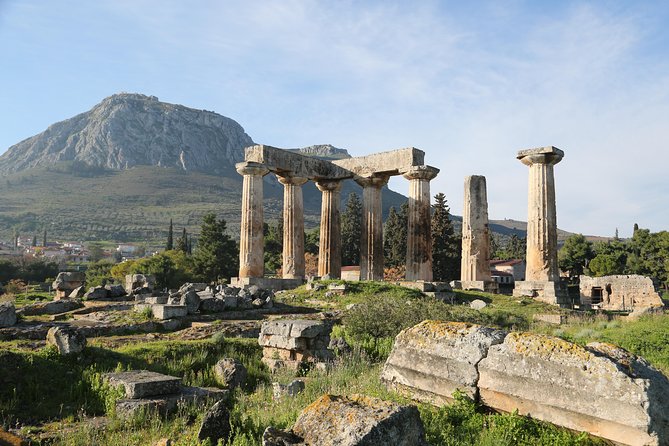
Delphi is one of the best extra stops on the mainland. Its dramatic setting adds to the story, and the site can feel easier to take in than larger places. Olympia is another classic stop, especially on wider cultural trips. At Meteora, monasteries stand high on stone pillars in a striking landscape.
Longer trips can explore the Peloponnese. We can visit Mycenae, Epidaurus, Nafplio, Mystras, and even Messinia on one historic and scenic route. Travelers who know Greece well often love the mainland most. It offers more variety and fewer crowds.
Rick Steves has established trips that focus on the mainland. Budget-friendly programs such as Cosmos also cover the main sights. Custom companies and regional specialists may plan the pace better. That matters because mainland Greece rewards travelers who have time for roadside views, family-run tavernas, and stops longer than 20 minutes.
Best Greece Island Hopping Tours For First-Time Visitors
For a first visit, a strong island route is still Athens + Mykonos + Santorini. It’s popular for good reason. We get ancient history, beaches, famous views, and a manageable first taste of ferry or flight connections. This route is often a good start for the best Greece tours.
TourRadar’s highly rated 10-day Athens-Mykonos-Santorini plan is still close to an ideal first trip. It covers the main sights without squeezing in too many islands. That’s important. First-time visitors often try to see too many places instead of enjoying each one.
For a fuller trip, add Crete or Naxos instead of two more famous stops. Naxos offers villages, beaches, and a more everyday Cycladic feel. Crete adds more to explore, especially food, history, and nature.
When comparing island tours, check these details:
- Ferry class and how transfers are handled
- Hotel location, not only its star rating
- How much time you’ll spend on each island
- Whether trips are included or cost extra
- Group size
A good island trip should leave time to explore on our own. We shouldn’t have to squeeze an Oia sunset, a swim off Milos, or a late harbor dinner between bus rides. The best Greece tours offer a plan but leave room to enjoy the day.


Santorini Tours Worth Booking For Views, Wine, And Villages
Santorini is easy to get wrong. With the wrong tour, we may spend the day packed into busy viewpoints. With the right one, the island can feel like a movie.
The best Santorini tours focus on three things: caldera views, local wine, and traditional villages. Oia and Fira are worth seeing, but so are Pyrgos, Megalochori, and Emporio. These places feel calmer and show more of the island’s buildings and past.
Wine trips are often a smart choice here. Santorini’s volcanic soil grows special wines, especially Assyrtiko. Vineyard visits pair naturally with views and local stories. Many mid-range and high-end companies now mix tastings with village stops and sunset views. That’s a better use of a day than racing between crowded photo spots.
Catamaran trips are also worth a look, especially for first-time visitors. From the water, we see parts of the caldera that aren’t visible from land. Trips also include swimming stops and dinner onboard. But if we want to learn more about local culture, a land tour with a strong guide is a better choice.
Santorini is best when we mix its famous views with places that still feel personal. That’s the key.
Crete Tours For Food, Archaeology, And Outdoor Adventure
Crete could make a full trip by itself, not just another island stop. It feels almost like a small country in Greece, with its own pace, food traditions, landscapes, and history.
For history, Knossos is the main draw. Some of the best Greece tours in Crete also add the Heraklion Archaeological Museum, where Minoan objects help explain the site. Without that background, Knossos can feel more confusing than impressive.
Crete is hard to beat for food. We mean olive oil tastings, mountain cheeses, dakos, slow-cooked lamb, local honey, and wines that get too little attention around the world. Village food tours can be more rewarding than formal tastings.
They link local food with family life and the region. Food trips can be among the best Greece tours for visitors who have already seen the main landmarks.
Crete is also one of Greece’s strongest choices for active travelers. The best Greece tours for hikers often include Samaria Gorge, the island’s main hike. The White Mountains, south-coast beaches, and inland trails also make great guided trips. Exodus has long focused on Crete’s adventurous side. Luxury companies often pair archaeology with boutique stays.
If we want one place with food, myth, ruins, and outdoor fun, Crete is likely Greece’s best all-round choice.


Special Interest Greece Tours For Deeper Cultural Experiences
Not everyone wants the classic Athens-Mykonos-Santorini route. Some of the best Greece tours in 2026 will focus on one special interest.
For mythology and archaeology, some of the best Greece tours connect Delphi, Mycenae, Epidaurus, Knossos, and lesser-known sites. These trips can be more rewarding than general tours. Art and craft lovers can visit Paros, Tinos, and parts of Crete.
They can see pottery, weaving, marble work, and studios, which are often missing from popular tours.
Food-focused tours are another standout among the best Greece tours. They may include market walks in Athens, cooking classes in village homes, wine trails in Santorini, and olive harvests in the Peloponnese or Crete. They work especially well for repeat visitors who have already seen the main sights.
We’re also seeing more interest in wellness, photography, sailing, and trips linked to pilgrimage. These can include routes tied to monasteries, Byzantine history, or quieter islands like Patmos. Local experts matter more for these trips because they rely on contacts and local knowledge.
Often, a custom or partly custom tour is a better choice than a standard package. Greece rewards curiosity. The more we focus on one theme, the more memorable the trip can be.
What To Know Before Booking A Greece Tour In 2026
A few simple choices can help make a trip smooth instead of frustrating.
First, book early if we’re traveling from late May through September. Greece’s peak season is still very competitive, especially for Santorini, Mykonos, and popular ferry routes. The best Greece tours with small groups and well-located hotels often sell out months ahead.
Second, check what “included” really means. Some tours cover breakfast but not key entry fees, ferries between islands, or airport rides. Others cover these costs but use hotels in inconvenient spots. We should look beyond the price shown first.
Third, think about group size. Smaller groups usually move more easily through sites and villages. They can also offer better access to local experiences, making them a good fit for the best Greece tours. Large coach tours can still suit travelers watching their budget, but they offer less freedom.
Also, for 2026, expect timed entry at major sites, summer plans that account for heat, and more people choosing shoulder-season trips. Honestly, April to June and September to October are often the best times anyway.
Finally, if a tour promises all of Greece in seven days, that’s not good planning. It’s a warning sign.
How Many Days You Need For A Greece Tour Itinerary
The right trip length depends on whether we want a quick sample or a deeper journey.
7 days is enough for Athens and one island, but we need realistic expectations. This works best for travelers who want a focused introduction, not a grand tour.
10 days is the sweet spot for many first-time visitors. We can comfortably visit Athens + two islands or add a short trip to the mainland. That’s why so many of the best Greece tours use a 9- to 10-day plan.
14 days gives us more choices. We can visit Athens, take a mainland history route through Delphi and Meteora or the Peloponnese, and still see two islands. This lets Greece feel rich and varied, not rushed.
More than 14 days works well for travelers who want famous sights and less-visited places. We might see Santorini and Mykonos, then visit Crete, Naxos, or Milos, or spend longer on the mainland.
Our advice is simple: choose fewer stops and spend more time in each place. Greece is not a country for constant packing and unpacking. It rewards mornings in village squares, swims without a plan, long lunches, and enough time to enjoy each place for itself.
Conclusion
The best Greece tours in 2026 won’t just take us from one famous sight to another. They’ll help us understand the country and enjoy its pace, with local insight. We might stand on the Acropolis with a great guide, hike in Crete, explore Delphi, or watch the sun set over Santorini’s caldera.
If we choose a tour that suits our style, leaves time in each place, and includes real local knowledge, Greece delivers a lot. The most memorable moments often happen between famous sights. They might come over lunch, on a ferry deck, or in a village lane we didn’t expect to love.
Key Takeaways
- The best Greece tours balance iconic sites like Athens and the islands with smaller groups, expert local guides, and flexible itineraries for authentic experiences.
- History lovers should prioritize tours focusing on Athens, Delphi, Olympia, and Crete that offer guided exploration beyond rushed photo stops.
- Island hopping for first-timers works best with a manageable Athens-Mykonos-Santorini route, with options to add Crete or Naxos for depth and variety.
- Santorini tours that combine caldera views, local wine tastings, and visits to traditional villages provide a richer and less crowded experience.
- Crete tours uniquely blend food, archaeology, and outdoor adventure, making it an ideal all-around destination within Greece tours.
- Before booking, check what tours include, group size, and tour length to ensure a well-paced trip that matches your travel style and maximizes local insight.
Frequently Asked Questions About the Best Greece Tours
What are the best Greece tours for first-time visitors?
For first-time visitors, the best Greece tours often pair Athens with Mykonos and Santorini. These trips mix ancient history, lovely beaches, and famous island views. Many follow a relaxed plan of 9 to 10 days.
How can I choose the best Greece tour to match my travel style?
Choose a trip that fits what you enjoy. History fans can focus on Athens and mainland sites like Delphi. Island lovers can visit Cycladic islands such as Mykonos and Santorini. Food fans can choose Crete or the Peloponnese. Active travelers can hike in Crete or Meteora.
Why is Athens a must-visit location in the best Greece tours?
Athens brings ancient sites like the Acropolis together with lively modern neighborhoods. It has historic sights, local markets, and welcoming tavernas. This makes it key to seeing Greece’s culture and city life.
What should I consider about group size when booking a Greece tour?
Smaller groups are often more flexible and make site visits smoother. They can also offer better ways to meet local people. Large coach tours may feel less flexible and more rushed.
When is the best time to book and travel on a Greece tour?
Book early for trips from late May through September. Peak-season tours, especially to Santorini and Mykonos, sell out fast. Shoulder seasons, such as April to June and September to October, often bring pleasant weather and fewer crowds.
How many days do I need for an ideal Greece tour itinerary?
A 10-day trip is ideal for first-timers who want Athens plus two islands or a mainland visit. For a deeper trip with mainland history and several islands, 14 days or more gives us time to travel at an easier pace.
What makes the best Greece tours different from ordinary sightseeing trips?
The best Greece tours connect famous places with clear stories, thoughtful pacing, and local details that ordinary sightseeing often misses. A strong guide helps each stop make sense without turning the day into a long lecture.
Stories give each stop a purpose
Ancient ruins can look like piles of stone when nobody explains their use. A skilled guide shows how a temple served worship, or how a theater held plays and public events. That context makes the best Greece tours easier to remember.
At an archaeological site, a guide can point out marks left by builders and explain who used the space. History terms should come with plain meanings. For example, a city-state was a city with its own laws and leaders.
Only state-licensed guides may lead groups inside Greek archaeological sites and museums. That rule matters because they have the training and legal right to explain protected places. Travelers can compare ways to choose a tour before booking.
Simple maps help travelers follow the route. They also show how each stop connects.
Small choices shape the day
Good trips leave room for questions, shade, and a short pause between busy stops. A guide who listens can adjust the pace when the group needs more time. Those small choices help the best Greece tours feel human rather than rushed.
Group size also changes how people hear and take part. A smaller party can move through narrow lanes with less fuss, while a private trip allows more control over breaks. Travelers can compare small group and private tours for these options.
Tour style should fit the people taking part, not just a list of sights. Some enjoy a lively group, while others prefer quiet time with a guide. The best Greece tours make that choice clear before payment, as explained in this guide to escorted trips.
A good guide welcomes questions from every guest. This keeps the visit active.
Good guides also explain what a visitor can and cannot touch. That care protects fragile objects and helps everyone share the site. The best Greece tours treat local places as living parts of a community, not just stops on a list.


Which of the best Greece tours last two to four days from Athens?
Several of the best Greece tours from Athens fit a short break, pairing a main site with nearby towns or countryside. These trips suit travelers who want more than a single day away but have limited time.
Short breaks beyond the city
A two-day trip can focus on one region, giving travelers time to see a major site and stay nearby. The best Greece tours at this pace avoid packing every hour. A calm plan leaves space for meals, rest, and the views along the way.
Some routes from Athens visit ancient theaters, old towns, or coastal areas in the same broad region. Travelers should check which places are included and how much time each stop gets. This guide to tours from Athens helps compare routes.
A three-day trip can link sites that tell one wider story, such as trade, defense, or daily life. The best Greece tours explain the links in plain words. Travelers then see more than separate ruins and understand why the places mattered together.
A route map makes travel days easier to picture. It shows nearby stops.
Four days for a wider view
A four-day route gives a guide more room to connect inland sights with local towns. It can include time for a walk, a relaxed meal, and a stop at a small museum. A four-day ancient Greece trip shows one such format.
Some short breaks focus on Meteora, where monasteries stand high on rock pillars. Monasteries are homes where monks or nuns live and pray. The best Greece tours describe both the setting and its religious role, instead of treating the visit as a photo stop.
Day trips to Meteora are also available, but they leave less time in the area. Travelers can compare Meteora day trips with longer stays. The right choice depends on travel pace, not on how many places appear in a schedule.
A longer stay can lower travel pressure. It leaves time for local life.
A short route should also account for travel on roads between stops. Time spent in a vehicle changes how much a traveler can see on foot. The best Greece tours balance distance with useful visits, so the schedule does not become a race.
How do the best Greece tours handle hotels, meals and transport?
The best Greece tours state clearly what the price covers, where travelers sleep, and how each journey between stops works. Clear details prevent surprise costs and help travelers judge the real value.
Hotels and meals should be easy to check
Hotel details matter more than polished photos. A good listing names the town, room type, and whether breakfast is included. Travelers should check if the hotel sits near food and transport, especially when free time is part of the plan.
Meals can show local habits, but the plan should say which meals are included. The best Greece tours make space for choice, rather than sending every guest to one fixed table. Travelers with food needs should tell the operator early and confirm the reply.
Local dishes often use bread, olive oil, vegetables, fish, or cheese. A guide can explain what a dish contains and how people eat it. A practical guide to historic sites can also help travelers plan meals near visits.
Written hotel terms make comparisons fair. Guests can check them before booking.
Clear meal notes help guests plan ahead. They also reduce last-minute stress.
Transport details make a real difference
Plans should name the kind of transport used between stops, such as a coach, minibus, boat, or public bus. The best Greece tours explain where pickup happens and whether luggage travels with the group. Simple details make travel days less stressful.
Some operators include transport from Athens, while others meet travelers at a set point. Travelers should check the meeting place and what happens if a road or ferry changes the plan. For independent travel, this public transport guide explains other ways to move around.
Walking is part of many visits, even when transport is included. Comfortable shoes and water help on uneven ground and sunny paths. The best Greece tours say when a route includes steps or longer walks; this walking tour guide gives more planning tips.
Travelers should note whether tips, entrance fees, or luggage handling are included. These items vary by operator, so the written plan matters more than broad promises. A clear list helps guests compare tours on equal terms and keep spending predictable.
How can travelers judge reviews of the best Greece tours?
Travelers can judge the best Greece tours by reading detailed recent comments and checking whether the same strengths appear across reviews. Useful reviews describe real parts of a trip, not just a star score.
Look for details, not just praise
A helpful review says what the guide explained, how transport worked, and whether the schedule felt fair. The best Greece tours earn trust when different travelers mention similar strengths. Broad praise without examples gives less help when comparing choices.
Reviews also reveal limits, such as steep paths, early starts, or little free time. Travelers should read those notes against the trip description rather than treating one complaint as proof of poor service. A Greece visitor safety guide adds useful points about comfort and care.
Travelers can check whether a review discusses the same route and season. A comment about a walking tour does not tell much about a coach trip. The best Greece tours have feedback that fits the planned style, group type, and places visited.
Balanced reviews mention both strengths and limits. That makes praise easier to trust.
Compare value and trust
Price is only one part of value. Travelers should compare what the fee includes, the guide’s role, and the amount of travel between stops. The best Greece tours explain extra costs clearly, while low-cost offers can leave important items outside the package.
Reviews should match the operator’s own details. If guests mention a hotel, meal, or transfer, they can check that the current listing still includes it. Travelers can find more ways to reduce costs in these budget tips for Greece.
Travelers can also look for clear contact details, fair change rules, and answers to common questions. A reliable operator responds in plain language and does not hide key terms. The best Greece tours pair strong reviews with facts that can be checked before booking.
Clear records help guests resolve problems. Guests should save the booking details and replies.
Photos and short comments can add context, but they should not replace clear trip details. Reviews that name a guide or describe a site visit offer more useful clues. The best Greece tours make those details easy to confirm before a traveler pays.
Which of the best Greece tours reach Meteora and Delphi?
The best Greece tours for Meteora and Delphi combine mountain scenery, ancient sites, and local towns in a route that rewards an overnight stay. A regional trip gives travelers more time between stops and fewer rushed visits.
Meteora and Kalambaka
The best Greece tours pair Meteora’s high rock pillars with Kalambaka, the town below them. Visitors can explore the Meteora monasteries and cliffs while allowing time to enjoy the striking views.
Monasteries are religious communities where monks or nuns live and worship. The history of Meteora’s monasteries helps explain why these buildings stand on steep rock tops.
Respectful clothing and quiet behavior matter at active monasteries. The monastery visit rules help travelers prepare before entering religious spaces.
Delphi and Arachova
Delphi gives the best Greece tours a clear link to ancient Greek life. Its ruins sit on a mountainside, while nearby Arachova offers a compact town stop and views of the surrounding slopes.
At Delphi, visitors see the remains of a sanctuary, a sacred place built for worship. A guide to Delphi can explain how people once came to seek advice from the oracle.
Combining Delphi with Arachova makes the best Greece tours feel varied without adding a distant detour. Travelers move from stone ruins to village streets, with time to notice the change in setting.
Which of the best Greece tours follow the classical route?
The best Greece tours on the classical route connect major ancient sites with towns and landscapes that show how varied the mainland can be. Each stop adds a different view of Greek history.
Corinth Canal, Mycenae, and Epidaurus
The best Greece tours often begin this route at the Corinth Canal, a narrow waterway cut through land. From there, travelers can continue to Mycenae, an ancient hilltop city linked with early Greek stories.
At Mycenae, stone gates and tombs help visitors picture a powerful early society. A Mycenae site guide can explain the ruins in plain terms and point out features easy to miss.
Epidaurus is known for its ancient theater, built for performances and famous for clear sound. The Epidaurus theater and site fit well with Mycenae, while Nafplio offers a pleasant base nearby.
Olympia and Mystras
Olympia adds sport and worship to the best Greece tours through the Peloponnese. The site hosted ancient athletic contests, and its remains show how sport formed part of religious life.
The Olympia ruins and history make the past easier to follow, even for visitors new to archaeology. A planned visit leaves room to walk among temples and training areas.
Mystras brings a different period into the best Greece tours: a medieval town built on a hillside. Medieval means belonging to the Middle Ages, a long period between ancient and modern times.
Its stone churches and homes reveal how people lived within a fortified settlement. The Mystras tour options help travelers understand the site’s steep paths and rich history.
Which of the best Greece tours include island boat days?
The best Greece tours with boat days combine island scenery, time ashore, and clear plans for moving between ports and beaches. A well-paced route balances sailing with relaxed visits on land.
Hydra, Poros, Spetses, and Aegina
The best Greece tours around Hydra, Poros, Spetses, and Aegina let travelers see several islands by boat. Each island has its own waterfront setting, so the journey itself becomes part of the day.
A practical plan checks which stops allow time to walk, eat, or swim before departure. This island tour planning guide explains what travelers should consider when choosing a boat route.
Boat days work best when the schedule leaves space between transfers and activities. The best Greece tours make room for changing views, simple meals, and a slower pace on shore.
Santorini caldera, Milos, and Balos lagoon
Santorini’s caldera is the large sea-filled basin formed by volcanic activity. Boat trips show its steep shores from the water, while Santorini boat cruise choices help compare different ways to see the coast.
Milos offers dramatic coastal scenery, and Balos lagoon is known for its shallow turquoise water. The best Greece tours link these places through clear boat plans, while leaving time to enjoy each setting.
Travelers should check departure ports and transfer details before choosing a route. That simple step helps the best Greece tours avoid wasted travel time and keeps boat days focused on the islands.
Which of the best Greece tours suit hikers and nature lovers?
The best Greece tours for hikers and nature lovers pair marked walks with time to enjoy mountain views, forest paths, and coastal landscapes. Route choice should match fitness and comfort.
Mount Olympus and Mount Pelion
Mount Olympus gives the best Greece tours a striking mountain setting with routes for different levels of experience. Travelers can choose walks that fit their energy and still enjoy broad views across the slopes.
Mount Pelion offers a different feel, with wooded paths and traditional villages across the mountain. Comfortable shoes and water help walkers manage uneven ground and warm weather.
Before setting out, hikers should check route length, trail conditions, and transport plans. A guide to Greek hiking trails helps compare walks and prepare for the day.
Samaria Gorge and nature routes
Samaria Gorge is a long, dramatic valley with steep rock walls and a walking route through natural scenery. The best Greece tours that include it should allow enough time for the full outing.
Hikers benefit from sturdy shoes, drinking water, and a plan for reaching the trail and returning afterward. These basics help keep attention on the landscape instead of last-minute travel problems.
Nature-focused routes can also include time to watch local plants, birds, and changing terrain. A Greek nature reserve guide offers ideas for planning visits with care.
The best Greece tours for outdoor travelers balance active days with proper rest. A slower pace leaves room to appreciate mountain air, gorge walls, and the small details along each trail.
Which of the best Greece tours include food, wine and village visits?
The best Greece tours combine local meals, regional wine and village walks, giving travelers a clear taste of Greece beyond famous ruins and beaches. These trips connect food with daily life, so each meal has a place and story.
Markets, tavernas and Greek food
A food-focused itinerary can begin at Athens Central Market, where cooks shop for fish, meat, herbs and seasonal produce. A guide explains how these foods shape home cooking, then leads guests toward Plaka tavernas for simple dishes and lively streets.
The best Greece tours allow time to notice small details. Bread, olives, beans, grilled fish and local cheese show how Greek families use fresh ingredients without making meals complex.
Visitors should ask before photographing cooks, sellers or family tables. A friendly greeting and patient ordering show respect in busy food spaces. Shared plates also suit groups, since each person can try several flavors without ordering too much.
A useful Greek food guide helps visitors order with confidence. The Greek market guide also points travelers toward places where residents buy food.
Wine roads and village life
The best Greece tours visit Nemea, a wine area in the Peloponnese known for red grapes and small producers. Santorini wineries offer a different setting, with dry wines shaped by volcanic soil and strong island winds.
Tastings work best when a host explains farming, local grapes and responsible drinking. A guide to Greek wine regions gives useful background before a vineyard visit.
Village stops add a slower part to the day. Naxos and Paros villages show stone lanes, small churches and family businesses, while Mount Pelion villages add forest paths and old homes.
These itineraries treat these villages as living communities, not photo sets. A Greek village guide helps travelers choose respectful visits, and a local traditions guide explains good manners.
The best Greece tours can include a cooking lesson or a market challenge led by a local host. These activities turn tasting into a shared skill, rather than a list of dishes.
Which of the best Greece tours suit couples and honeymooners?
Couples and honeymooners benefit from private moments, gentle pacing and beautiful settings, while keeping enough free time for shared plans. A strong couple’s itinerary balances famous views with quiet meals and easy travel days.
Island views and shared memories
The best Greece tours can pair Oia with a calm Santorini evening, when white buildings catch the last light. Couples can enjoy a walk, a small dinner and time away from a busy schedule.
Mykonos offers bright streets, seafront dining and boat trips for couples who enjoy an active island break. Milos suits travelers who prefer clear water, quiet coves and relaxed days near the coast.
A Greece sunset guide helps couples choose a scenic place without rushing. Good tour plans keep sunset plans simple, since weather, crowds and ferry times can affect the evening.
History, romance and thoughtful planning
Couples should also discuss pace before booking. A full ferry day and a late dinner can feel tiring, while one relaxed base allows more room for conversation and shared discoveries.
Monemvasia gives couples a romantic setting with stone lanes, sea views and a preserved medieval town. Medieval means from the middle period of European history, long before modern hotels and roads.
A well-planned itinerary can add Delos for couples who enjoy ancient history and open-air walks. Delos was a sacred island in Greek religion, and its ruins show homes, temples and public spaces.
The best Greece tours for couples match energy, interests and comfort. A Greek wedding destinations guide offers ideas for romantic stops, while a Greek island planning guide supports calmer choices.
Private time matters as much as sightseeing. Good itineraries leave open space for a swim, a long lunch or a quiet walk without a guide.
The best Greece tours for couples should also explain transfers before departure. Clear plans reduce stress, protect free time and help both travelers enjoy the same pace.
Romance does not require constant activity. A quiet breakfast, a shaded square or an unplanned swim can become the most memorable part of a shared trip.
How do the best Greece tours support responsible travel?
The best Greece tours support responsible travel by using local businesses, protecting historic places and helping visitors respect island resources and community life. Responsible travel means making choices that keep destinations healthy for residents and future guests.
Local choices that strengthen communities
The best Greece tours use local guides, family restaurants, village shops and small hotels when practical. This keeps more visitor spending in the places that host the trip.
Travelers can support communities by buying useful crafts, ordering regional food and following local customs. A responsible Greece travel guide explains how small choices reduce pressure on busy places.
Small groups make these choices easier. Guests can hear local explanations, move through narrow lanes with less crowding and give businesses a fair chance to serve residents.
- Carry a refillable bottle and avoid needless plastic.
- Stay on marked paths near ruins and beaches.
- Choose local food and seasonal dishes.
- Keep noise low in villages and churches.
- Respect homes, farms and working streets.
Clear guidance explains why these actions matter. It helps visitors protect water, reduce waste and treat residents with care.
Protecting nature and historic places
The best Greece tours plan island travel with care, since water, energy and transport face pressure. Longer stays, shared transfers and fewer rushed crossings support cleaner, calmer travel.
Historic sites need the same care as natural areas. Only state-licensed guides may lead groups inside Greek archaeological sites and museums, which helps protect visitors and important objects.
Responsible itineraries follow site rules and keep groups controlled near fragile stones. A sustainable Greek stays guide helps travelers select lodging with practical green policies.
Responsible tours also respect access for residents. Guides can schedule quieter visits, avoid blocked doorways and remind guests that islands and villages are homes, not only attractions.
When travelers choose care over speed, well-run tours create better days for everyone. Food, romance and history then support local life instead of wearing it down.
Where do the best Greece tours go?
The best Greece tours combine famous ruins, lively cities, quiet villages, and bright beaches across Greece’s mainland and island groups.
Travelers can match each region to the mood they want, such as museums, swimming, food, or quiet walks. A clear route also helps visitors understand how Greece changes from place to place.
History sites are strongest when visitors hear the simple story behind each stone. Local food and village life then turn a lesson into a personal travel memory.
Mainland
Mainland routes suit travelers who want old stories, mountain views, and living Greek culture. These routes often connect major sites with places that feel more local. They also show how modern towns grew around temples, castles, farms, and busy ports. Each stop adds a different view of Greek life.
- Delphi — an ancient oracle site on Mount Parnassus
- Olympia — the birthplace of the ancient Olympic Games
- Pelion — green mountain villages and clear coastal waters
- Thessaloniki — a lively city with Roman, Byzantine, and food history
- Mystras — a ruined medieval town below a mountain fortress
Mainland visits are helpful for travelers who want more than postcard views. They bring stories about rulers, writers, athletes, traders, and families who shaped the country.
Cyclades
The Cyclades offer white homes, blue water, and strong local character. Routes here can mix busy harbors with calm beaches, walks, and memorable meals. Their dry hills and bright homes create a look many visitors remember. Travelers can choose lively nights or quiet village mornings.
- Mykonos — windmills, small lanes, beaches, and lively evenings
- Naxos — long beaches, mountain farms, and ancient marble gates
- Paros — pretty ports, water sports, and traditional villages
- Milos — colorful rocks, sea caves, and unusual beaches
- Sifnos — village paths, fine pottery, and local cooking
Cycladic islands can suit first-time visitors who want an easy mix of beauty and activity. Small ports make it simple to move from a boat arrival to a meal or beach.
Ionian Islands
Ionian islands have soft green hills, clear coves, and food shaped by nearby Italy. These islands work well for slow days and varied swimming spots. Their towns often have colorful buildings, small squares, and gentle evening walks. Boat trips can reveal quiet coves beyond the main beaches.
- Kefalonia — tall mountains, bright bays, and underground lakes
- Zakynthos — sea caves, turtle beaches, and bright blue water
- Lefkada — dramatic beaches joined to the mainland by bridge
- Paxos and Antipaxos — small coves, olive groves, and boat trips
The Ionian group is a strong choice for travelers who enjoy nature and water. Its greener scenery gives beach days a softer, calmer setting than many dry islands.
Dodecanese and North Aegean
These islands bring different layers of Greek life, from medieval streets to quiet mountain customs. They work well for history, nature, and a slower island rhythm. Visitors may find stone homes, old churches, pine forests, and family-run tavernas. The mood can change greatly from one island to the next.
- Rhodes — a medieval old town and long sunny beaches
- Kos — cycling paths, healing history, and sandy shores
- Samos — forested hills, wine traditions, and ancient temples
- Ikaria — mountain villages, local festivals, and wild coastlines
This wider island group rewards travelers who like strong local identity. The best Greece tours can show how food, music, faith, and old buildings change across the Aegean.
How do travelers book the best Greece tours for a first week?
Travelers book the best Greece tours for a first week by balancing Athens history, one mainland route, and island time without rushing between stops.
A first week should feel varied but still comfortable. Travelers benefit from choosing a route with clear transfers and enough free time for unexpected finds.
Good planning also leaves space for weather changes and quiet time. A route should support discovery, not make every moment feel like a race. It also gives travelers time to notice small details, ask questions, and enjoy local conversations today.
Start with Athens
Athens gives a first trip its clearest history lesson, from the Acropolis to busy food streets. A useful Athens itinerary for first-time visitors keeps major sights close together. The best Greece tours leave room for a market visit and a relaxed evening.
Travelers should group nearby sights instead of crossing the city often. This plan leaves energy for local meals, views, and small discoveries.
Choose a mainland loop
A mainland loop adds temples, old towns, and landscapes that beaches cannot show. Travelers can compare routes with a seven-day Greece itinerary before choosing the right pace. The best Greece tours make each travel day useful, not tiring.
A good loop avoids long backtracking and gives each place a clear purpose. History feels easier when guides connect ruins with the people who lived there.
Plan island days
Island days work best when travelers check ferry routes, luggage needs, and backup plans early. The guide to ferry travel in Greece explains simple ways to make crossings easier. The best Greece tours pair one or two islands with enough time to enjoy them.
Travelers should allow time for beach visits, village walks, and meals without a strict schedule. Fewer moves usually create better memories than collecting many quick stops.
Travelers should also keep the arrival day light after a long journey. That small choice makes the rest of the route feel easier and more enjoyable.
Common questions about the best Greece tours
The best Greece tours answer common travel needs with clear choices about safety, comfort, seasons, clothing, and daily customs.
Simple planning makes each day calmer. Travelers can then focus on history, food, views, and time with the people around them.
Are the best Greece tours safe for solo travelers?
The best Greece tours are safe for solo travelers because guides, clear meeting points, and busy public areas add helpful support. Solo visitors should keep normal travel care, especially near ports and crowded streets. Local guides can also make social contact easier.
Sharing a day trip may help a solo traveler feel more comfortable. Clear instructions also reduce stress when moving between places.
Do the best Greece tours include flights?
The best Greece tours do not always include flights, so travelers should check the exact plan before paying or making other arrangements. Tour details may focus on guiding, stays, transfers, or ferries instead. Air travel often needs a separate booking. Travelers should compare arrival times with the first planned activity. This simple check can prevent a rushed start.
Are the best Greece tours good for children?
The best Greece tours can suit children when families choose shorter walks, open spaces, swimming time, and stops that match young attention spans. Ancient sites become easier when adults explain myths as simple stories. Breaks, water, and shade help children enjoy the day.
Families should also plan snacks and comfortable shoes. A flexible route lets children stay curious rather than tired.
Do the best Greece tours run in winter?
The best Greece tours can run in winter, with more focus on mainland history, cities, food, and local life than beach swimming. Some island services change with the season. Travelers should check transport plans and opening times before choosing a route.
Winter can bring quieter streets and a closer look at daily life. Warm layers help during outdoor visits and windy ferry rides.
Is tipping expected on the best Greece tours?
Tipping on the best Greece tours is a kind choice for good service, not a fixed rule. A small tip can thank a helpful guide or driver. Travelers can ask about local practice when unsure. Good service may also deserve a spoken thank-you. The key point is showing respect, not following a strict payment formula.
What should travelers wear on the best Greece tours?
Travelers on the best Greece tours should wear light layers, walking shoes, sun protection, and respectful clothing for churches and sacred places. Loose clothes help on warm days, while a light jacket helps near water. A scarf can cover shoulders when needed.
Strong shoes matter on uneven stone paths and old steps. Sunglasses and a water bottle also support comfortable sightseeing.
Read more at Picantiko:
- Επιλέξτε την Agrowood για ποιοτικά καυσόξυλα και ξύλα για τζάκι στην Αθήνα
- Γνωστοί μύθοι περί υδραυλικών
- Πρώτη θέση στις μηχανές αναζήτησης
- SEO Τι είναι το SEO και πώς λειτουργεί; Βασικά στοιχεία της βελτιστοποίησης μηχανών αναζήτησης
- Τι Είναι το SEO; Πώς Λειτουργεί το Search Engine Optimization;
- Αποφράξεις στην Αθήνα: Άμεση και Αξιόπιστη Εξυπηρέτηση για Καθαρισμό Αποχετεύσεων